Latest Episode
Women's Training and Nutrition: What the Evidence Says | Dr. Lauren Colenso-Semple
Should women train and eat differently from men? In this episode of We Do Science, I’m joined by Dr Lauren Colenso-Semple to explore female physiology, resistance training and how we translate research into practical recommendations.
Drawing on her experience as both a coach and a researcher, Lauren discusses her work examining muscle protein synthesis across menstrual cycle phases. We explore the evidence behind cycle syncing, the importance of measuring hormones accurately, and why findings f
Recent Episodes
Oct. 30, 2026
Women's Training and Nutrition: What the Evidence Says | Dr. Lauren Colenso-Semple
Should women train and eat differently from men? In this episode of We Do Science, I’m joined by Dr Lauren Colenso-Semple to explore female physiology, resistance training and how we translate research into practical recommendations. Drawing on her experience as both a coach and a researcher, Lauren discusses her work examining muscle protein synthesis across menstrual cycle phases. We explore the evidence behind cycle syncing, the importance of measuring hormones accurately, and why findings f
Oct. 22, 2026
NFL Nutrition: From the Lab to the Pitch | Dr. Matt Frakes
What does it take to deliver performance nutrition in the NFL? In this episode of We Do Science, I’m joined by Dr Matt Frakes of the New York Giants to explore the realities of supporting elite athletes and turning nutrition research into everyday practice. Matt shares his journey from college football player and clinical dietitian to working in collegiate sport and the NFL. We discuss why qualifications alone don’t earn an athlete’s trust, how to build relationships with players and their supp
Oct. 15, 2026
Can Muscle Adapt When You're Eating Less? | Dr Jose Areta
What happens to your muscles when you exercise in a calorie deficit? In this episode of We Do Science, I’m joined by Dr José Areta, Associate Professor in Exercise Metabolism and Nutrition at Liverpool John Moores University, to explore how muscle responds when energy intake is reduced—and why muscle size is only part of the picture. José takes us through his research examining five days of low energy availability alongside aerobic exercise in men. Looking beyond body weight and lean mass, his
Oct. 8, 2026
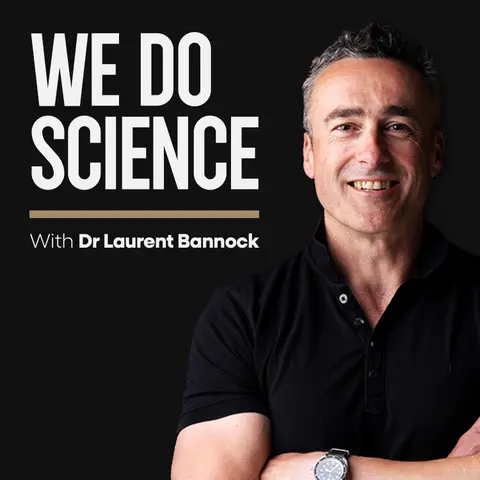
The Food Matrix: Rethinking Protein Nutrition | Prof. Nick Burd
Is more protein always better? In this episode of We Do Science, I’m joined by Professor Nick Burd to explore protein nutrition, muscle adaptation and why the amount of protein we eat is only part of the story. Returning to the podcast after six years, Nick shares insights from his research at the University of Illinois into protein metabolism and the food matrix: how a food’s structure and surrounding nutrients influence the way our bodies respond to it. From eggs and salmon to whey and casein
Oct. 1, 2026
Nutrition for Pro Cycling: From Plate to Performance - Dr. Dana Lis & Nicki Strobel
On this episode of We Do Science, Dr Laurent Bannock welcomes back Dr Dana Lis, registered dietitian and performance nutrition practitioner, alongside chef and nutritionist Nicki Strobel, to discuss their paper Plate to Performance: Culinary Nutrition Support for Professional Road Cycling, part of the UCI Sports Nutrition Project. Drawing on years of experience in elite cycling, Dana and Nicki explain how the culinary nutrition team of nutritionists, chefs and soigneurs turns evidence into food
1
Sept. 24, 2026
How to Make Better Sports Nutrition Decisions | Prof. Michael Gleeson
We Do Science with Dr Laurent Bannock returns, now with video! In this first episode back, Laurent welcomes Professor Michael Gleeson, Emeritus Professor of Exercise Biochemistry at Loughborough University, to explore the four Ps of performance nutrition: personalise, periodise, pre-fuel and prepare. Drawing on his research and experience in sports nutrition, Michael explains how this framework can help practitioners turn scientific evidence into practical decisions for their athletes. The conv
Listen On


